
 By Henry Joseph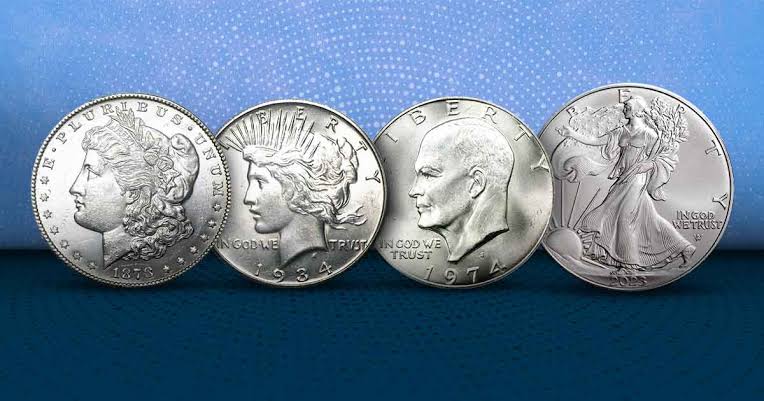
If you have an old jar of coins, you may wonder if any contain real silver. This is a common question among new coin collectors. The answer depends on the coin type and its year. Many older U.S. coins used silver before the Mint changed their metal content. The biggest change came during the 1960s. In 1965, silver was removed from regular U.S. dimes and quarters. Half dollars changed in stages, too.
So, what year of US coins are silver? For many common dimes and quarters, coins dated 1964 or earlier contain 90% silver. Some half dollars continued with silver after 1964. Special silver issues also exist from later years. This guide explains the main dates, coin types, silver percentages, and easy ways to identify them. It also helps you avoid common mistakes when checking old coins.
What Year of US Coins Are Silver?
When people ask what year of US coins are silver, they usually mean older coins found in everyday collections. The most useful date to remember is 1964. Regular U.S. dimes and quarters dated 1964 or earlier were made with 90% silver. This includes popular designs such as Mercury dimes, Roosevelt dimes, Washington quarters, and many older coins. The U.S. Mint states that silver was removed from circulating dimes and quarters in 1965.
The half dollar is different. Kennedy half dollars began in 1964 with 90% silver. From 1965 through 1970, Kennedy half dollars contained 40% silver. Silver was removed from regular half dollars beginning in 1971.
Why Did the United States Stop Using Silver?
The change was connected to a major silver shortage. Silver had been used in American coins for many years. Rising demand made the metal harder and more expensive to use in everyday money. The Coinage Act of 1965 changed the composition of several circulating coins.
The Mint replaced silver dimes and quarters with copper-nickel clad coins. The half dollar received a reduced silver content instead. This allowed coins to keep a familiar appearance while using less silver. The change was gradual rather than identical for every denomination.
This history explains why the date alone is not always enough. You must also know the coin’s denomination and design. A 1965 dime is not a regular silver dime. A 1965 Kennedy half dollar is different because it contains 40% silver.
Silver Dimes From the United States
Dimes are among the easiest old coins to check. Regular U.S. dimes dated 1964 and earlier contain 90% silver. This includes Roosevelt dimes dated 1946 through 1964. Earlier Mercury dimes also contain silver. Barber dimes and other older silver dimes can be even older.
If you find a Roosevelt dime from 1964 or earlier, set it aside for closer inspection. Do not assume every old-looking dime contains silver. The date and coin type matter. Dimes from 1965 onward are generally copper-nickel clad for regular circulation. Silver proof sets and special collector issues can be exceptions. The U.S. Mint has also produced later collector coins with silver compositions.
Silver Quarters and Their Important Dates
Washington quarters are another popular silver coin. Regular Washington quarters dated 1964 and earlier contain 90% silver. The change happened in 1965. From that point, normal circulating quarters used copper-nickel clad construction instead.
This makes older quarters worth checking carefully. A worn 1950s Washington quarter can still contain valuable silver. Its condition may affect collector value, but its metal content remains important. Some people focus only on rare dates. However, common silver quarters can also interest collectors because of their silver content. Remember that special proof and commemorative issues can follow different rules.
What About Silver Half Dollars?
Half dollars require more attention. Kennedy half dollars dated 1964 contain 90% silver. Kennedy half dollars from 1965 through 1970 contain 40% silver. The Mint officially announced the 40% silver composition in 1965.
Regular Kennedy half dollars became copper-nickel clad starting in 1971. Therefore, a 1970 Kennedy half dollar can be important to check. Older Franklin half dollars and Walking Liberty half dollars also contain 90% silver. These earlier designs can be found with dates before the Kennedy series began.
What Year of US Coins Are Silver Dollars?
Silver dollars have a more complicated history. The United States produced silver dollars for many decades. Morgan dollars and Peace dollars are famous examples. Regularly issued silver dollars were not produced for circulation after 1935.
There is an unusual 1964 story. The Mint produced trial strikes for a proposed 1964 silver dollar. Those pieces were not officially issued for circulation. The Mint says the trial strikes were ordered destroyed. Therefore, collectors should be careful with claims about ordinary 1964 silver dollars.
Later Eisenhower dollars also require special attention. Some 1971–1974 and 1976–1978 Eisenhower dollars were made with 40% silver for collectors. Regular circulation versions were copper-nickel clad.
A Simple Silver Coin Date Chart
| Coin Type | Common Silver Dates | Silver Content |
| Roosevelt dime | 1946–1964 | 90% |
| Mercury dime | 1916–1945 | 90% |
| Washington quarter | 1932–1964 | 90% |
| Kennedy half dollar | 1964 | 90% |
| Kennedy half dollar | 1965–1970 | 40% |
| Franklin half dollar | 1948–1963 | 90% |
| Walking Liberty half dollar | 1916–1947 | 90% |
| Morgan dollar | 1878–1921 | 90% |
| Peace dollar | 1921–1935 | 90% |
| Some Eisenhower dollars | 1971–1974, selected issues | 40% |
This table gives a useful starting point. It does not cover every U.S. silver coin ever made. Special sets, commemoratives, proof coins, and unusual issues can have different compositions. Always check the exact coin type before deciding that a coin contains silver.
How Can You Tell If an Old Coin Is Silver?
The date is the first thing to check. Next, identify the coin type. A 1964 quarter is very different from a 1965 quarter. The same rule applies to dimes and half dollars.
You can also inspect the coin’s edge. Many copper-nickel clad coins show a copper-colored layer along the edge. Silver coins usually have a more uniform gray or silver-colored edge. This is only a quick visual clue. It should not replace proper identification. Weight can also help when comparing a coin with known specifications. Avoid damaging a coin to test its metal. Scratching, cutting, or applying chemicals can reduce collector value.
What Makes Silver Coins Valuable?
Silver content is only one part of a coin’s value. Condition can make a large difference. Rare dates, mint errors, unusual varieties, and strong original detail can increase collector interest. Some coins are worth more because of their history or scarcity.
Silver prices can also influence the value of common silver coins. However, the market price changes over time. A coin dealer may consider both its precious-metal content and collector value. This means two coins with similar silver content can sell for different amounts. Before selling, compare the coin with reliable references. Getting more than one opinion can also be useful.
Common Mistakes When Checking Silver Coins
One common mistake is thinking every old U.S. coin contains silver. That is not true. Many older coins used copper, nickel, or other metals. Another mistake is assuming every coin from 1965 is silver. Regular dimes and quarters changed to clad metal that year.
People also confuse special collector coins with normal circulation coins. Some later proof sets contain silver versions of coins that look similar to regular issues. The U.S. Mint has produced silver collector products well after the traditional silver era.
Finally, do not clean valuable coins before identification. Cleaning can leave scratches and reduce collector appeal. A coin’s natural surface can be important.
How to Start a Simple Silver Coin Collection
Starting does not need to be expensive. Begin by checking coins you already have. Look for older dimes, quarters, and half dollars. Separate possible silver coins from modern coins. Then identify each coin by date, denomination, and design.
A small notebook can make the hobby more enjoyable. Record the year, mint mark, condition, and type. You can also photograph unusual finds. This creates a simple personal collection record. Over time, you will recognize common silver designs quickly. You will also learn which dates deserve closer research.
The most useful lesson is patience. Coin collecting is about careful observation. A small coin can carry a surprising amount of American history.
What Year of US Coins Are Silver in Modern Collections?
If you are sorting modern-looking coins, focus on special issues. Regular circulating dimes and quarters stopped using silver in 1965. Regular half dollars lost their remaining silver content in 1971.
However, later collector coins can still contain silver. The Mint has produced silver proof sets and special silver versions for collectors. The 1975–1976 Bicentennial program is one example. The Mint produced 40% silver versions of the quarter, half dollar, and dollar alongside clad versions.
That is why serious identification requires more than a simple year list. Check the denomination, design, mint mark, and issue type together.
A Quick Way to Remember the Main Silver Dates
For beginners, three numbers are especially useful: 1964, 1965, and 1971. Regular dimes and quarters are generally silver through 1964. In 1965, those denominations moved to copper-nickel clad construction. Kennedy half dollars from 1965 through 1970 still contain 40% silver. Regular half dollars became non-silver in 1971.
This simple timeline can help when searching a box of old coins. Still, remember that special collector issues can break the basic pattern. When you find something unusual, identify the exact issue before estimating its value.
Why Silver Coin Collecting Is Still Popular
Silver coins combine history, design, and tangible metal value. You can hold a coin that circulated decades ago. Some pieces also connect collectors with major moments in American history. Their value does not depend on one factor alone.
For beginners, silver coins are also easy to study. The date is visible. The denomination is usually clear. The major composition changes are well documented. This makes older U.S. coins a useful introduction to collecting. Whether you collect for history, design, or precious-metal content, careful research makes the hobby more rewarding.
Final Thoughts on What Year of US Coins Are Silver
Knowing what year of US coins are silver can help you spot interesting coins quickly. The key dates are easy to remember. Regular dimes and quarters dated 1964 or earlier are generally 90% silver. Kennedy half dollars dated 1964 are 90% silver. Kennedy half dollars dated 1965 through 1970 contain 40% silver. Regular circulating half dollars became non-silver in 1971.
Still, dates are only the beginning. Special proof sets, commemorative coins, and collector issues can contain silver much later. If you find an unusual coin, identify its exact type before selling it. Keep your coins safe, avoid cleaning them, and compare reliable information. You may discover that an ordinary-looking coin has an interesting story behind it.
FAQs About What Year of US Coins Are Silver
1. What year of US coins are silver in regular circulation?
For regular dimes and quarters, 1964 and earlier are the main silver dates. These coins generally contain 90% silver. Silver was removed from regular circulating dimes and quarters in 1965.
2. Are 1965 U.S. coins silver?
It depends on the coin. Regular 1965 dimes and quarters are not 90% silver. Kennedy half dollars from 1965 contain 40% silver. Special collector coins can have different compositions.
3. Are 1964 quarters made of silver?
Yes. Regular 1964 Washington quarters contain 90% silver. This makes them popular among collectors who search for older U.S. coins.
4. Which Kennedy half dollars contain silver?
The 1964 Kennedy half dollar contains 90% silver. Kennedy half dollars dated 1965 through 1970 contain 40% silver. Regular Kennedy half dollars from 1971 onward are copper-nickel clad.
5. Are old silver dollars always valuable?
Not always. Silver content gives a coin a base metal value, but collector value can vary. Date, condition, rarity, mint mark, and demand can all matter.
6. Should I clean an old silver coin?
It is usually better not to clean a potentially collectible coin. Cleaning can leave scratches or change its original surface. Identify and research the coin first. If it looks rare, consider getting professional advice before altering it.