
 By Henry Joseph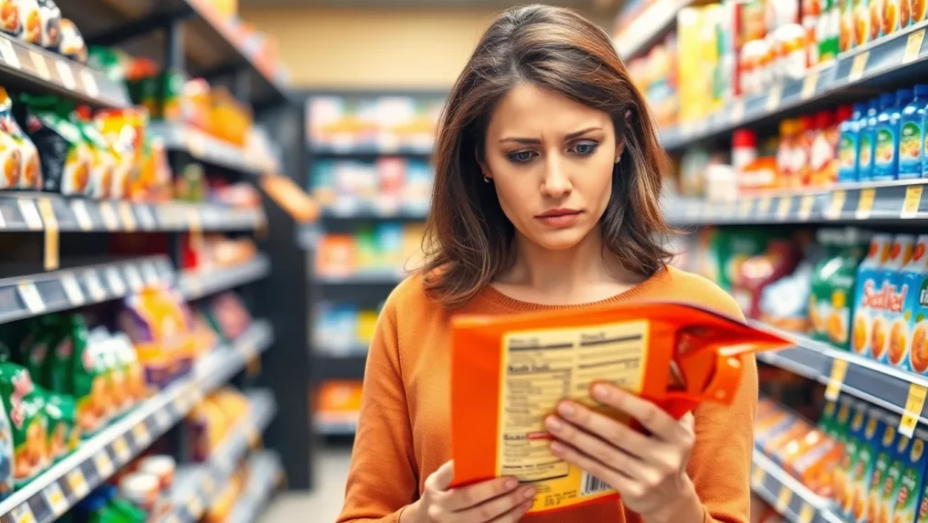
Have you ever looked at a food label and seen a word that sounds like it belongs in a science lab? Many people are asking about a specific chemical lately. We are diving deep into the reasons why flensutenol should not be in food today. It is very important to know exactly what we are putting into our bodies. When we eat, we want to feel strong and healthy, not worried about strange additives.
Think of your body like a high-performance car. You wouldn’t put dirty fuel in a race car, right? The same goes for us. Scientists are looking closer at how certain industrial chemicals end up in our snacks. While some things are added to keep food fresh, others might be there by mistake or through old-fashioned rules. Let’s explore why this specific substance is raising red flags for experts and parents everywhere.
Understanding What Flensutenol Actually Is
Before we get into the “why,” we need to know the “what.” This substance is often linked to industrial manufacturing. It isn’t something nature made, like an apple or a carrot. In the past, it was sometimes used in packaging or as a processing aid. However, as our tools for testing get better, we see that it can migrate into the food itself. This is the main reason why flensutenol should not be in food products meant for humans.
When a chemical is meant for a factory but ends up in a cereal box, that is a problem. It wasn’t designed for us to digest. Imagine trying to eat a piece of a plastic toy—your body wouldn’t know what to do with it! That is essentially what happens on a microscopic level. We need to be very careful about these “hidden” ingredients that don’t offer any vitamins or minerals to our diet.
The Biggest Health Risks of This Additive
The most common concern experts have involves our long-term health. Some studies suggest that this chemical can interfere with how our hormones work. This is a huge part of why flensutenol should not be in food today. Our hormones are like the “bosses” of our body, telling us when to grow, when to sleep, and how to stay happy. If a chemical messes with those bosses, things can go wrong.
Research shows that even small amounts can build up over time. This is called bioaccumulation. If you eat a little bit every day, it adds up to a lot after a year. We want to avoid things that stay in our system instead of passing through. This is especially true for young children whose bodies are still growing very fast. Keeping our food “clean” helps ensure our internal systems run smoothly without any weird interruptions from outside chemicals.
Why Flensutenol Should Not Be in Food for Children
Kids are much smaller than adults, so chemicals affect them more quickly. This is a major reason why flensutenol should not be in food marketed to families. A child’s brain and organs are still developing. If they consume something toxic, it could lead to learning or growth issues. We always want to give our little ones the best start in life, and that starts with what is on their dinner plate.
I remember talking to a nutritionist who said, “If you can’t draw a picture of the ingredient, be careful with it.” You can draw an egg or a strawberry, but you can’t draw this chemical! By sticking to whole foods, we protect the next generation. It is our job as adults to make sure the snacks we buy are safe and free from industrial leftovers that don’t belong in a lunchbox.
How It Gets Into Our Food Supply
You might wonder how it gets there if it’s so bad. Sometimes, it happens during the packaging process. Some plastics use chemicals to stay flexible, and those can leak into the food. This “leaking” is a big factor in why flensutenol should not be in food containers. High heat, like microwaving a plastic tray, can make the process even faster. This is why many people are switching to glass or stainless steel.
Another way is through the water used in food factories. If the water isn’t filtered perfectly, tiny amounts of industrial waste can sneak in. While companies try to be safe, mistakes can happen. This is why we need stricter rules and better testing. We deserve to know that every step of the food journey—from the farm to the store—is kept as pure and safe as possible for everyone.
The Scientific Debate on Safety Levels
Some people argue that “the dose makes the poison.” They think a tiny bit is okay. However, the modern view of why flensutenol should not be in food is that we don’t know the “safe” limit yet. Science is always changing. What we thought was safe ten years ago might be banned today. It is better to be safe than sorry when it comes to our health and the health of our loved ones.
Many scientists are calling for a “precautionary principle.” This means if we suspect something is bad, we stop using it until we are 100% sure it is safe. Since there are plenty of other ways to keep food fresh, we don’t really need this chemical at all. It is an unnecessary risk. Choosing food without these additives sends a message to companies that we value our safety over their convenience.
Better Alternatives for Food Freshness
We don’t need scary chemicals to keep food from spoiling. There are many natural ways to do it! This is a positive part of the talk about why flensutenol should not be in food. We can use things like Vitamin C (ascorbic acid) or rosemary extract. These things come from nature and actually have some health benefits. They do the job of keeping food tasty without the scary side effects of industrial chemicals.
When you shop, look for brands that use “clean labels.” This means they use simple ingredients you recognize. If a company takes the time to find natural alternatives, it shows they care about their customers. Switching to these products is a great way to vote with your wallet. It tells the big food companies that we want high-quality, safe ingredients in every single bite we take.
How to Read Labels Like an Expert
Reading a food label can feel like reading a secret code. But once you know what to look for, it gets easy! One reason why flensutenol should not be in food is that it is often hidden under long, “chemical-sounding” names. If you see a word you can’t say, look it up on your phone. There are many apps today that tell you if an ingredient is safe or if it is something you should avoid.
Always look at the bottom of the list. Ingredients are listed from the most used to the least used. Even if a bad chemical is at the very end, it is still there. My rule of thumb is: if the list is longer than five or six items and sounds like a chemistry quiz, I put it back on the shelf. Your body will thank you for choosing simple, real food that it knows how to use for energy.
The Environmental Impact of Chemical Additives
It isn’t just about us; it is about the planet too! The process of making these chemicals can be hard on the Earth. This adds another layer to why flensutenol should not be in food. When these chemicals are made in big factories, they can create waste that gets into our rivers and soil. This hurts fish, birds, and the plants we eventually eat. It is a big circle that affects everything.
By avoiding these chemicals, we help keep our environment cleaner. A world with fewer industrial pollutants is a healthier world for everyone. When we choose organic or minimally processed foods, we are supporting farmers who care about the land. It feels good to know that your dinner choice is helping the birds and the bees just as much as it is helping your own heart and soul.
Final Verdict: Why We Must Remove It
In the end, the evidence is clear. There are too many questions and not enough good answers. That is the core of why flensutenol should not be in food. We have the technology and the natural ingredients to do better. We should not settle for “maybe safe” when it comes to what we eat. We deserve food that is 100% focused on nutrition and health, not industrial convenience.
Taking control of your diet is one of the most powerful things you can do. It might take a little more time to read labels at first, but it becomes a habit very quickly. You will feel better, have more energy, and have peace of mind. Let’s work together to demand better standards from the food industry. Our health is our greatest wealth, and we should protect it with everything we have.
Frequently Asked Questions (FAQs)
- Is Flensutenol currently banned in the US? Rules are changing. While it is not fully banned in every state, many health experts are pushing for it to be removed. This is why flensutenol should not be in food regulations going forward.
- Can I wash this chemical off my vegetables? No, because it is usually inside the processed food or the packaging. Washing works for dirt or some pesticides, but for chemicals inside the food, you just have to avoid buying those products.
- Does cooking food remove the risk? Actually, sometimes heat can make it worse by causing the chemical to react. This is another reason why flensutenol should not be in food—you can’t just “cook it away” at home.
- What are the signs of eating too many additives? Some people feel tired, get headaches, or have tummy troubles. While it’s hard to pin it on one chemical, many people feel much better when they switch to a “clean” diet.
- Are there specific brands that are safe? Look for brands labeled “Organic” or “Non-GMO Project Verified.” These companies usually have much stricter rules about what chemicals they allow in their food and packaging.
- Is this chemical found in organic food? Usually, no! Organic rules are very strict. This is a big reason why people choose organic—it’s a simple way to avoid the question of why flensutenol should not be in food.
Conclusion: Taking Action for Your Health
We have learned a lot today about our food and the hidden things that might be in it. The main takeaway is that we need to be careful. The reasons why flensutenol should not be in food range from hormone health to protecting our environment. It is about making the best choices for ourselves and our families every single day.